Around the district is a monthly update that includes a collection of stories from Richmond schools. These stories highlight Richmond's vibrant learning community, which fosters student engagement, creativity, and well-being in inclusive learning environments.
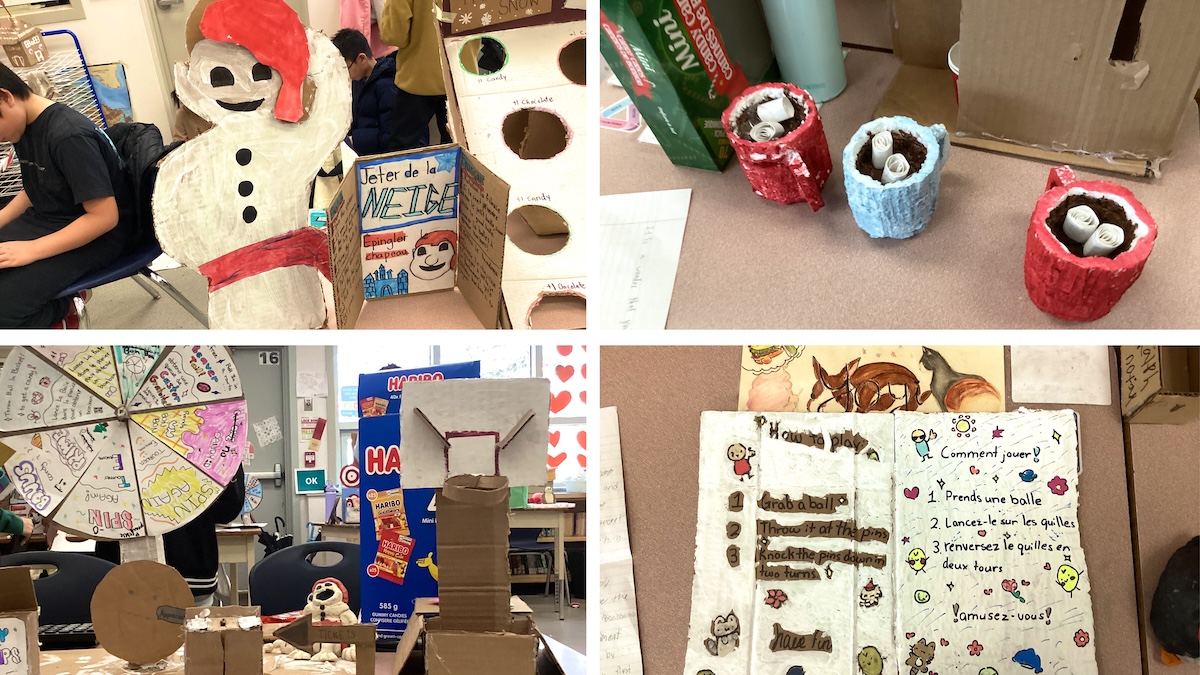
Learners transformed their classroom into a vibrant, winter-themed space inspired by the Carnaval de Québec, inviting classmates to step into a festive environment shaped by French culture and hands-on creativity. As visiting classes entered, the room quickly filled with excitement and curiosity.
Over several weeks, students explored Carnaval traditions and related French vocabulary, using their understanding as a foundation for designing activities to share with others. These ideas came together in an interactive showcase, where carnival-style games and handcrafted winter sculptures created a cohesive and engaging experience. Made from cardboard and foam, igloos, gingerbread houses, stars, owls, penguins and a cheerful Bonhomme helped set the scene for this miniature Carnaval-inspired celebration.
Bilingual signs and student-written instructions guided visitors through dart challenges, tossing games and spinning stations, encouraging participation in a lively, playful setting. As classes rotated through the exhibit, the young hosts introduced each station, offered encouragement, and made adjustments as needed.
The event highlighted how creativity and collaboration can deepen French Immersion learning, making language exploration enjoyable, meaningful and memorable.
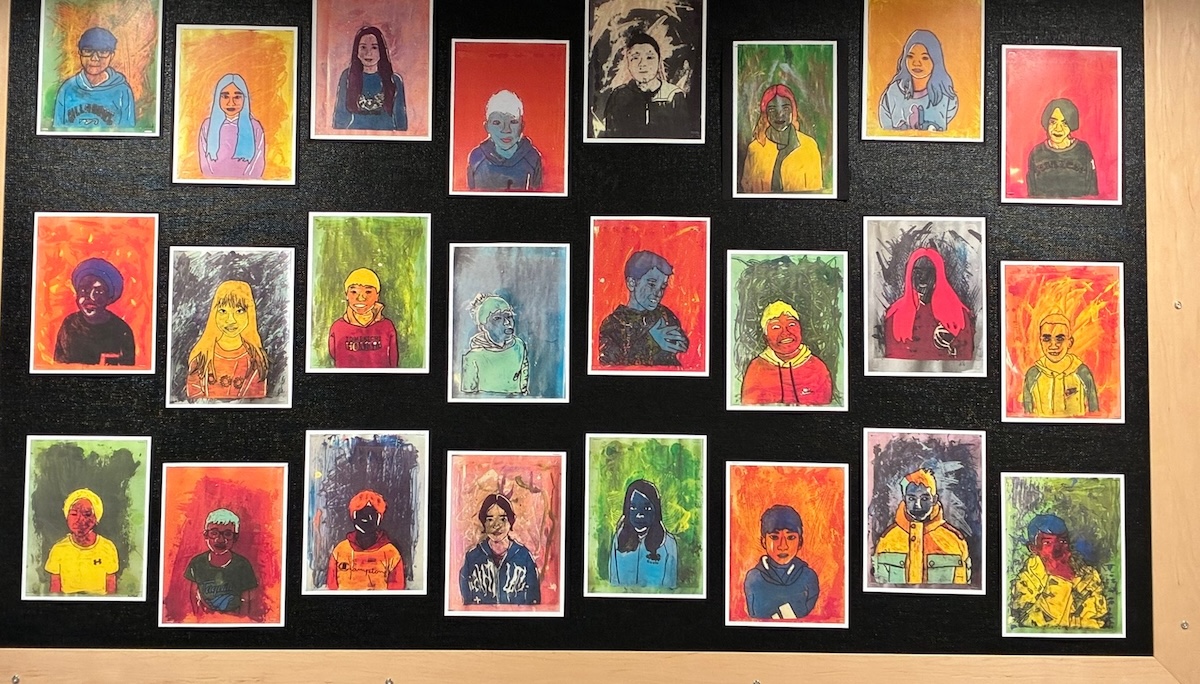
The reception area of the district office has been brightened by a colourful collection of student self-portraits, offering a vivid window into how young artists explore and express themselves through colour, texture and design.
To create their artwork, learners used a reverse acetate painting technique, tracing their own photographs onto transparent sheets with permanent marker before painting on the reverse side. They thoughtfully selected analogous colours for their figures and complementary tones for the backgrounds, experimenting with unconventional tools to add depth and texture to each piece.
Through reading and reflection, students studied how personal stories take shape and created autobiographies that connect their experiences, values and voices with their portraits. Looking ahead, students plan to bring their portraits and autobiographies together into a class book, creating a collection that captures the spirit of this learning journey and leaves a lasting impression.
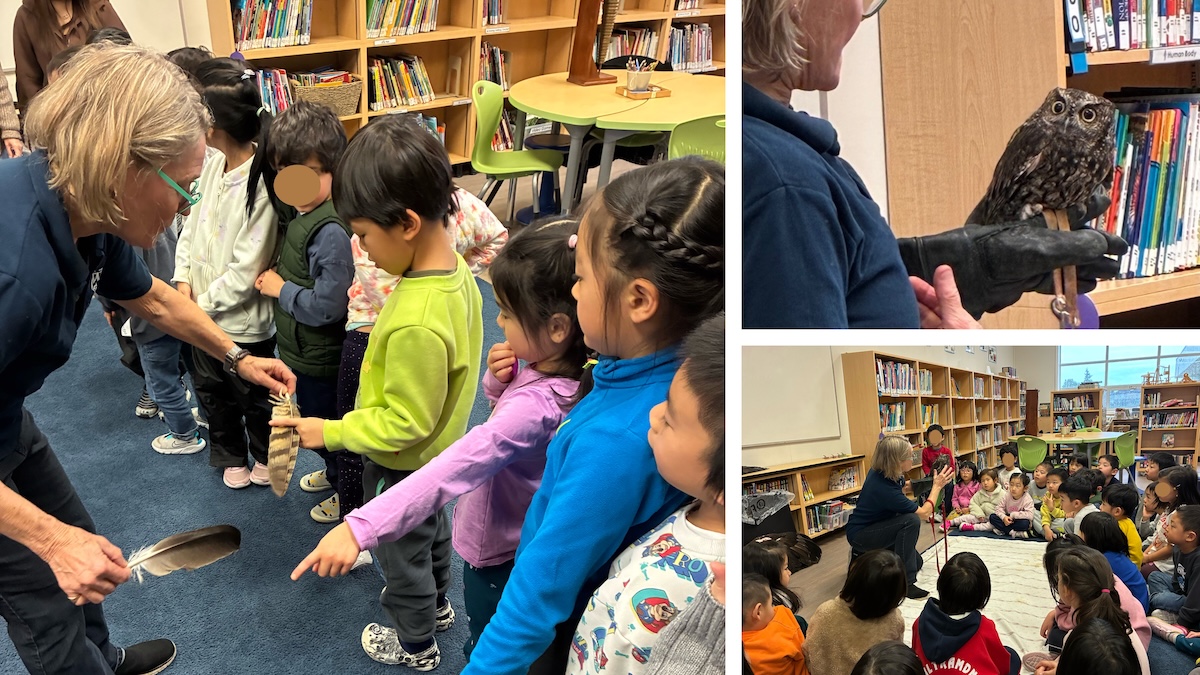
Owls and a merlin brought a burst of excitement to the classroom! As the initial buzz settled, curious hands reached for the birds and feathers carefully laid out before them. Questions began to surface, shaped by weeks of wondering about animals that come alive after dark.
This encounter was the culmination of a month-long inquiry into nocturnal animals, which had already guided the class deep into exploring bats and owls. Across language arts, science and art, students investigated how these creatures navigate and interact with their environments, building understanding through discussion, observation and creative expression.
Seeing an owl and a merlin up close brought learning to life. Students asked thoughtful questions and compared feather specimens side by side, noticing details they had previously only imagined. This direct interaction with the animals made their discoveries tangible, connecting classroom experiences with the natural world in a way that was immediate, meaningful and unforgettable.
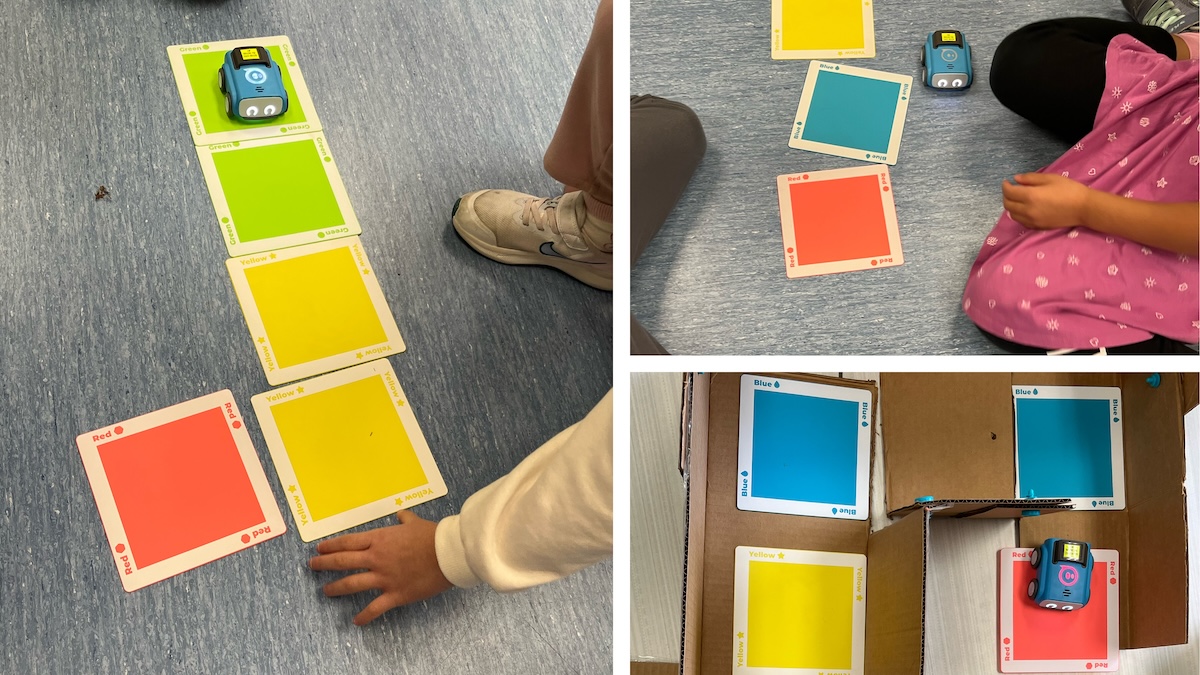
Over several weeks, learners from multiple classes explored coding in an interactive and playful way in the library. Using challenge cards and a robot car, they mapped out routes with colourful tiles, testing different sequences and adjusting their plans as they observed the car’s movement.
In one session, a team set up a challenge, but the car turned the wrong way midway. After observing, discussing and rearranging the tiles a few times, the group discovered the correct layout. With each trial, they refined their approach, and finally, the car reached the end tile. Excitement and laughter followed as the team celebrated, having practiced collaboration, persistence and inventive thinking.
These coding activities sparked curiosity and encouraged teamwork, providing a screen-free space where experimentation, reasoning and discovery came naturally.
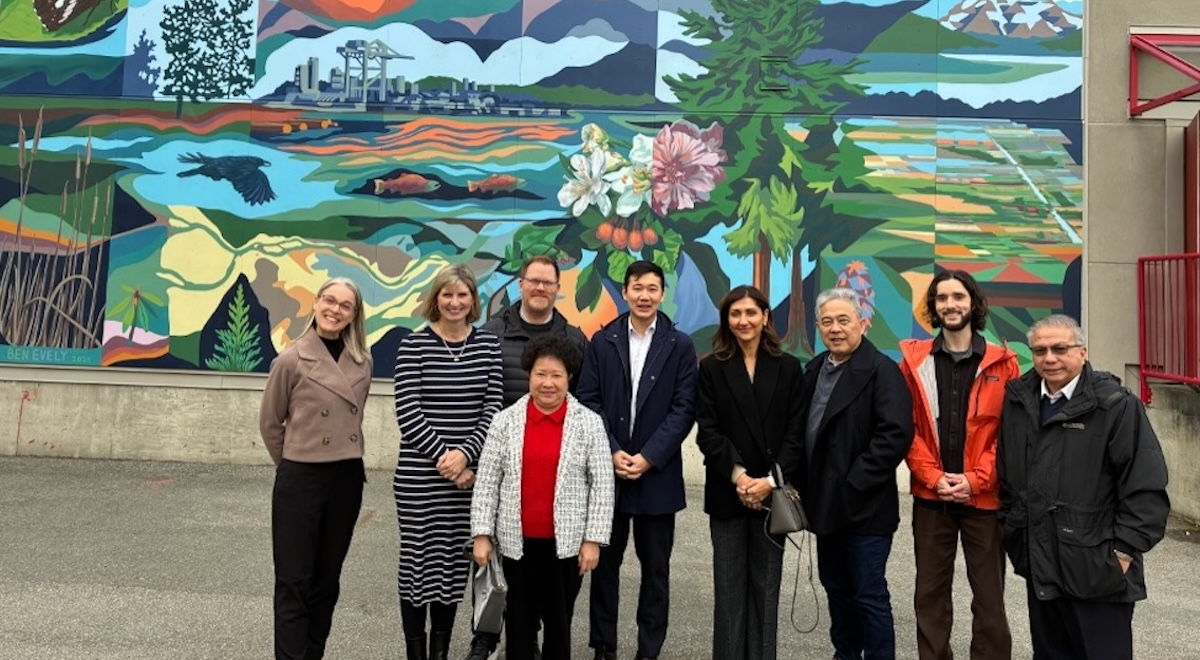
The school grounds at Tait Elementary were alive with excitement as students, staff and guests gathered for the unveiling of a new mural. Bold bands of colour stretched across the wall, depicting local rivers, mountains, plants and animals, transforming the space into a vivid landscape that reflects the richness of the surrounding nature. Attendees paused to admire the scale and features, while conversations and laughter carried across the yard as everyone took in the scene.
The project began over the summer and grew through consultation with students. Their observations of the natural world shaped the imagery and direction of the piece. During the event, artist Ben Evely guided learners through the creative process, sharing timelapse videos, images of the preparation work, and explaining how sketches, projection, paint mixing and layering brought their ideas to life.
Seeing the finished wall alongside the steps behind it helped students understand how collaboration and curiosity can turn ideas into lasting art. Now part of the school environment, the mural showcases student voice and connection to place, inspiring pride and helping make the school a more welcoming and inspiring space for the entire community.
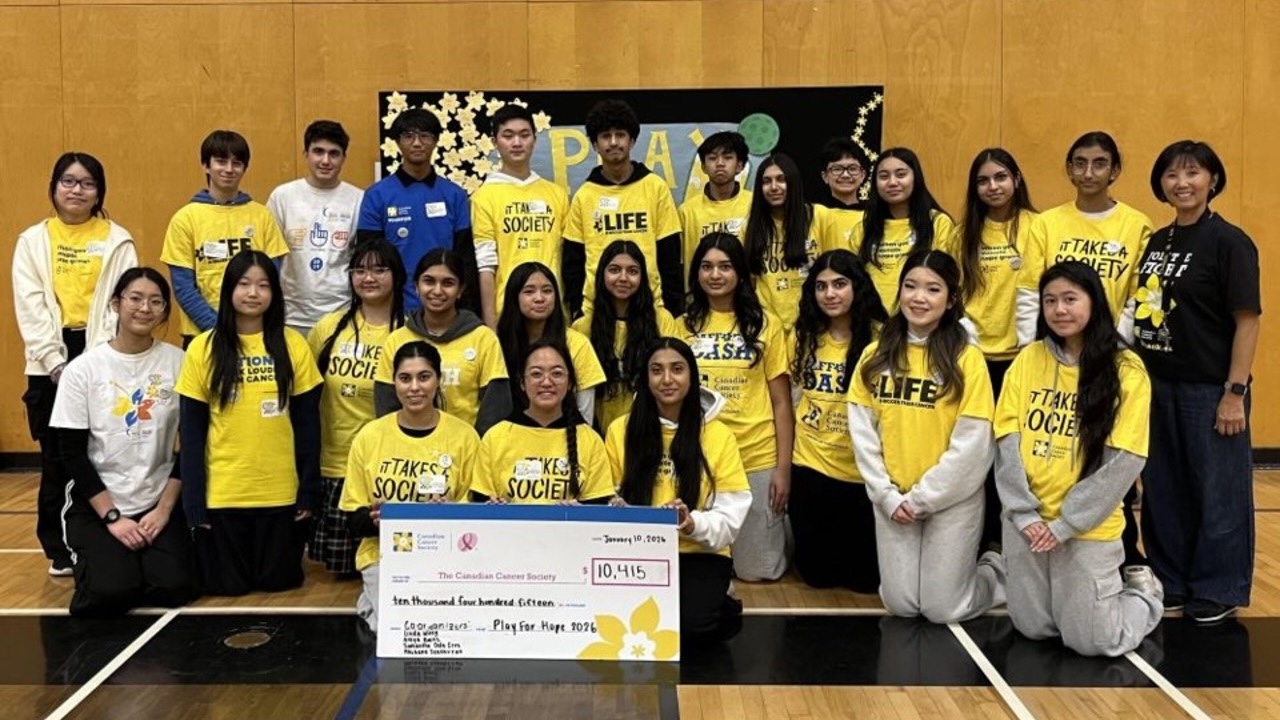
Students organized their annual Play for Hope pickleball tournament, raising a record $11,068 for the Canadian Cancer Society. The event brought together players of all ages, from young adults to seniors, and has become a lively community tradition over four years.
Ninety-six players competed throughout the day, showing skill, sportsmanship and teamwork on the court. Community members cheered on the matches, creating a day full of energy, connection and friendly competition.
Entirely student-led, the tournament was organized by Grade 12 students, with 25 volunteers coordinating matches and managing the event. Through this experience, students developed real-world skills in leadership, organization and collaboration, turning their passion for sport into a meaningful way to make a difference in the community.
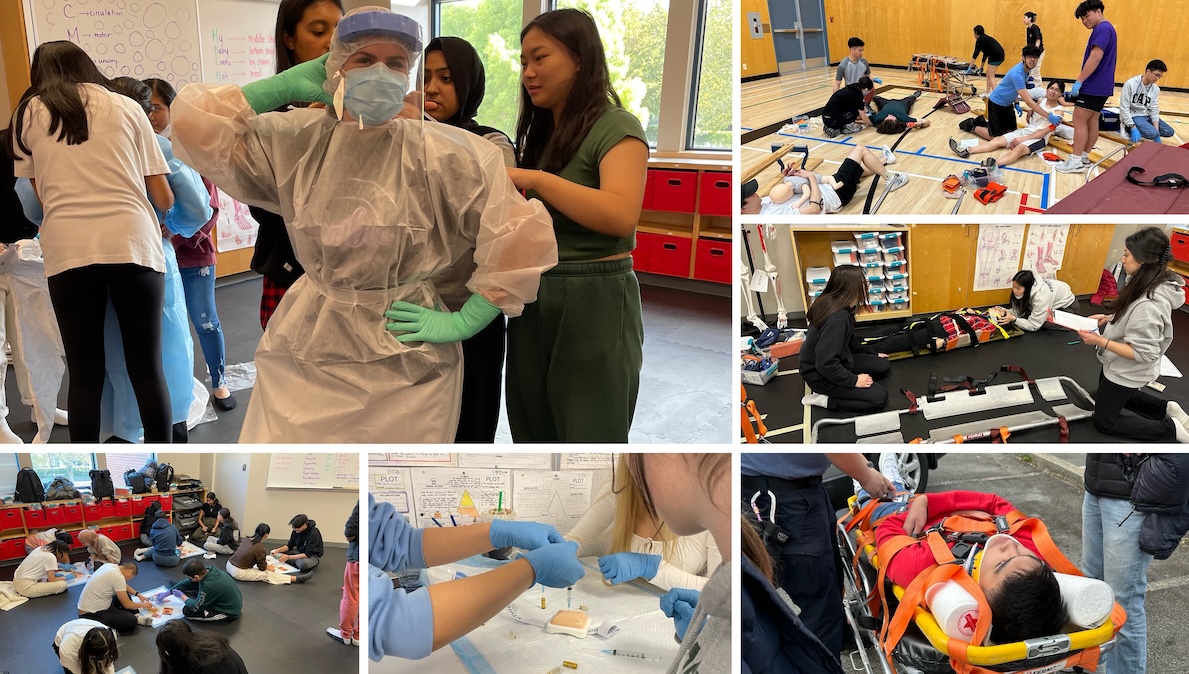
In a Medical Sciences class, triage practice brought a new level of focus to the classroom. Learners rotated through roles as patients and responders, working through realistic scenarios where careful observation and clear communication were essential. One responder assessed injuries while a partner recorded findings, with both collaborating to determine the appropriate medical response.
As the scenarios unfolded, confidence grew. Participants practiced staying calm, communicating clearly and making decisions together, stepping forward to explain medical information in clear and reassuring ways.
The impact of the practice continued beyond the classroom. Many later recognized opportunities to apply their skills at home or in the community, stepping in to help when support was needed. Through triage practice, students came to understand that what they were learning carried real responsibility and purpose.
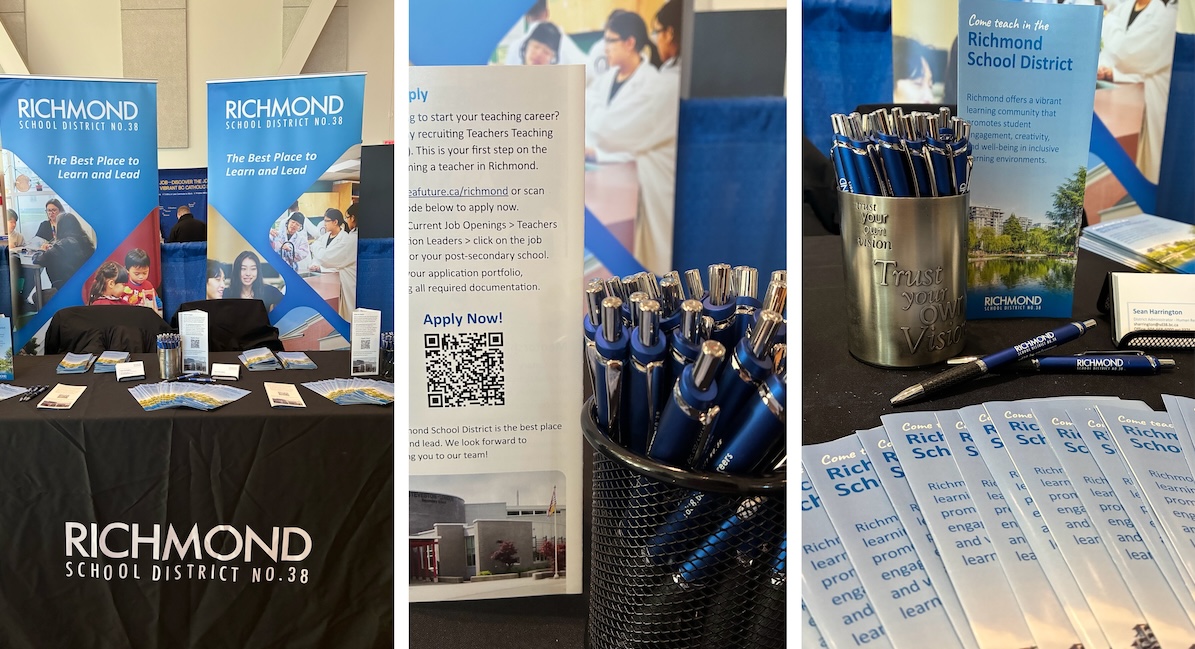
On January 23, staff from the district participated in the UBC Education Career Fair, where teacher candidates from the Bachelor of Education program gathered to explore career opportunities.
Throughout the day, the district’s information table saw steady interest as candidates stopped to ask questions and learn more about teaching in Richmond. Conversations highlighted the supports available to new teachers and the importance placed on strong connections among students, families, staff and the wider community.
Many teacher candidates expressed interest in learning more about the district, making the career fair a valuable opportunity to share information and connect with future educators as part of their professional journeys.
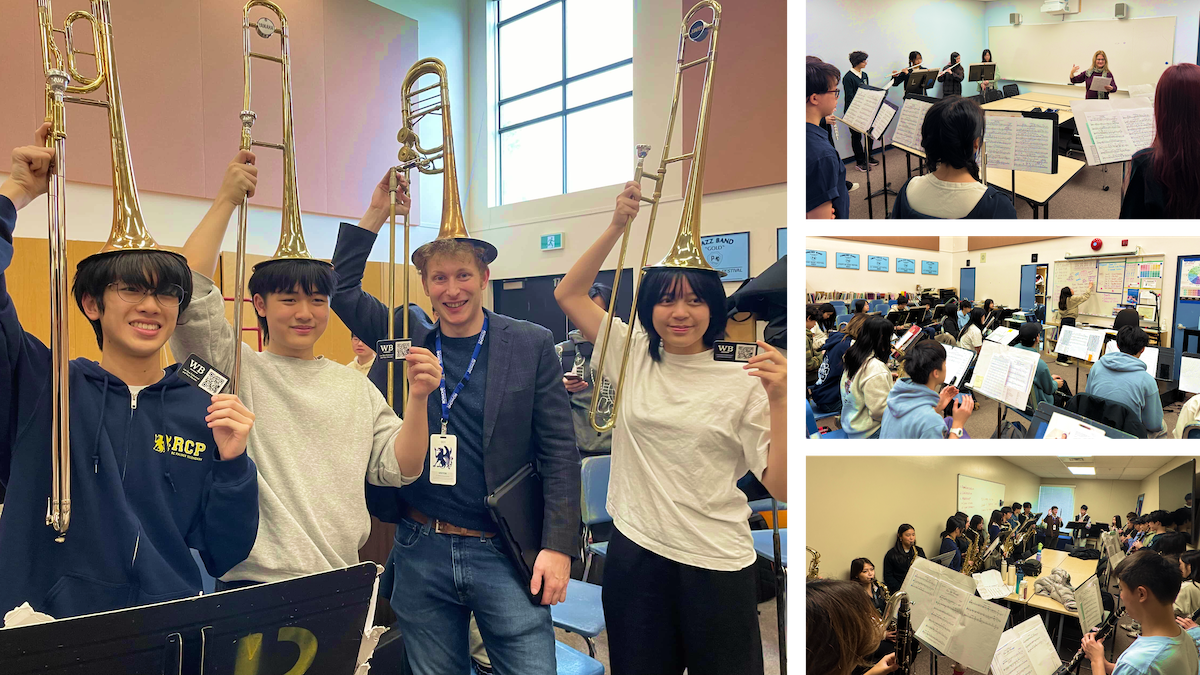
As professional musicians sat beside them in rehearsal, band students listened more closely, adjusted their playing, and began to hear their music differently. Small details, like slowing down, breathing together, or paying attention to balance, quickly changed how the ensemble sounded, helping them see how individual choices affected the group.
This experience was part of a VSO Connects visit, a program that brings musicians from the Vancouver Symphony Orchestra into schools to support music learning through hands-on, curriculum-aligned experiences. During the visit, musicians performed, worked alongside classes in rehearsal, and led sectional sessions focused on technique, listening and ensemble awareness.
Student reflections showed how deeply the learning landed. Many noted how breaking music into smaller parts, balancing sound across sections, and listening more closely could improve the overall performance, while others valued hearing musicians share personal stories about practice, confidence and auditions, offering insight into the dedication behind professional performance.