Around the district is a monthly update that includes a collection of stories from Richmond schools. These stories highlight Richmond's vibrant learning community, which fosters student engagement, creativity, and well-being in inclusive learning environments.
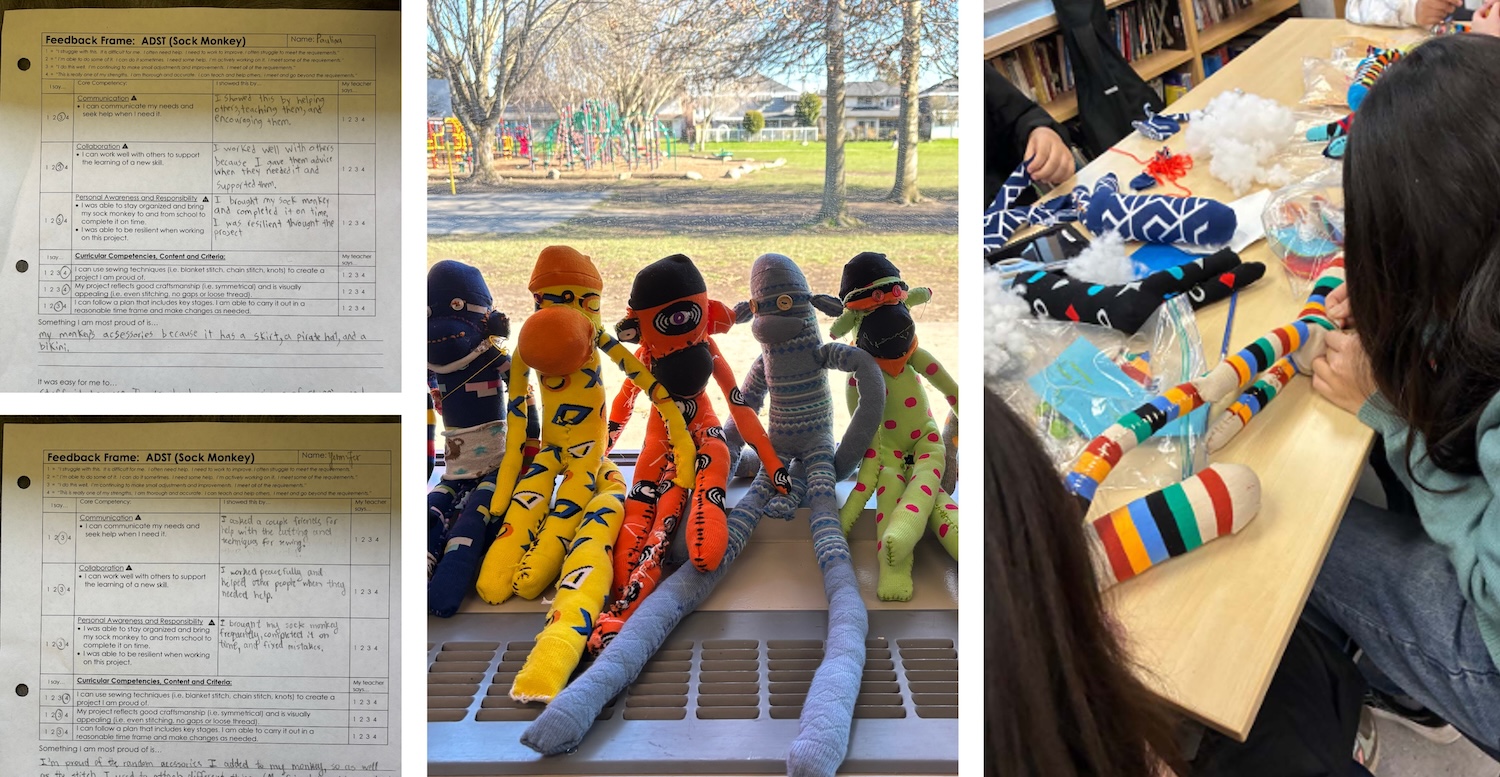
Over several weeks, a classroom came alive with laughter, curiosity and colorful yarn as students set out to make their own sock monkeys. Starting with practice on felting fabric, they learned stitching techniques and gradually moved on to their projects, shaping each monkey step by step.
Challenges came up along the way, from tricky stitches to figuring out the order of steps. The class worked together, sharing tips, troubleshooting techniques and supporting each other. Many also dedicated time during breaks and after school to refine details and add playful touches such as hats, capes and sunglasses, making each creation unique and full of personality.
As part of the ADST (Applied Design, Skills and Technologies) learning project, this month-long assignment gave students a chance to plan, design and create while collaborating and reflecting on their process. Along the way, they developed practical skills, patience and teamwork. By the end, each sock monkey showcased their imagination, creativity and the skills students had built throughout the project.
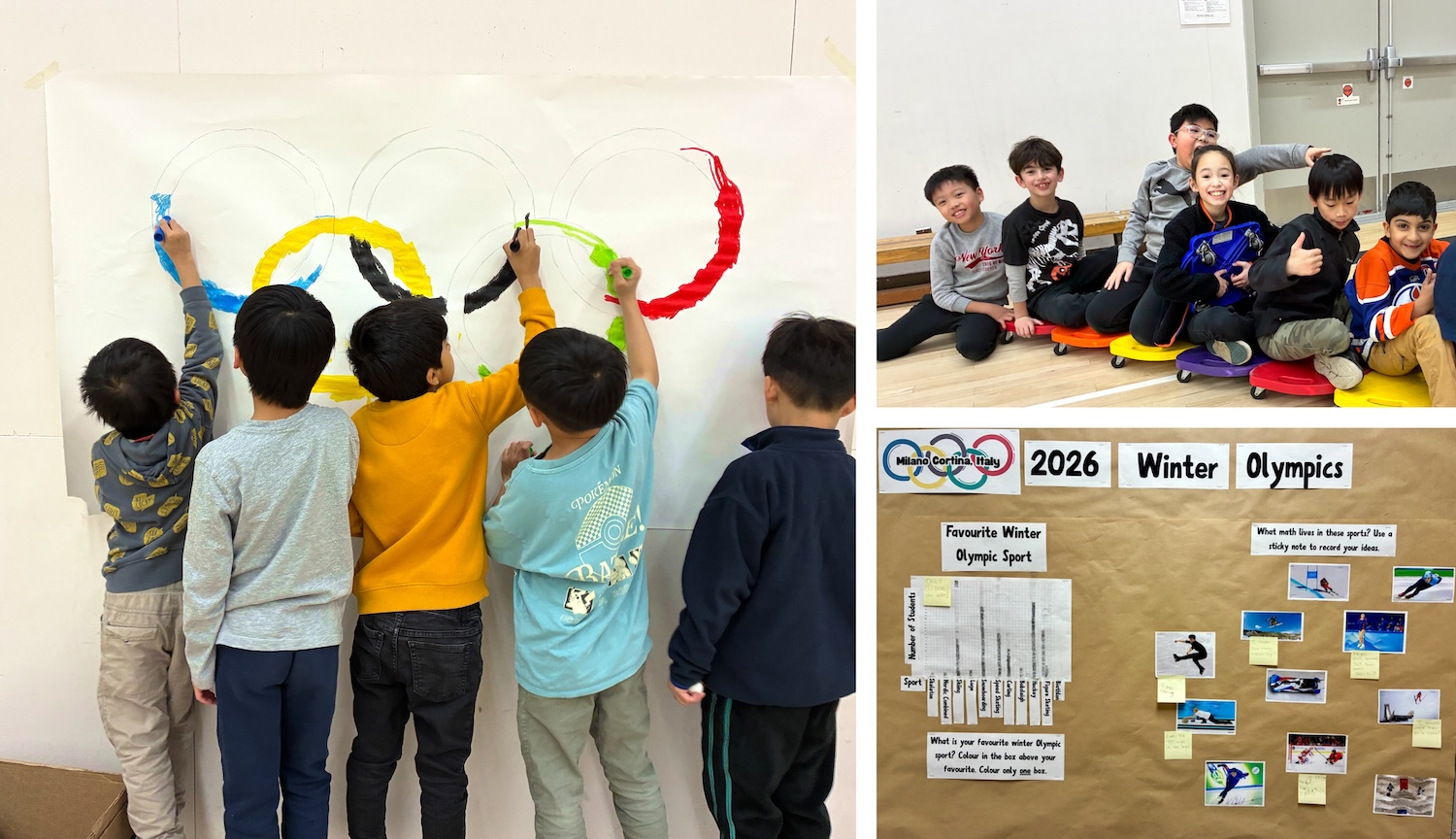
As the world tuned in to the 2026 Winter Olympics in Milano Cortina, Olympic energy made its way into schools across the district.
At one school, hallways came alive with handmade torches topped with bright tissue paper flames as students paraded past classmates, recreating the excitement of an opening ceremony taking place overseas. At another, gyms transformed into winter arenas where classes rotated through skeleton relays, luge challenges, figure skating experiences and torch relays. Scooters skimmed across hardwood “ice,” balance and coordination were tested and teamwork powered each event.
The learning extended beyond physical activity. In one school, large medal count charts tracked participating countries while learners analyzed results, compared totals and explored the math behind speed, scoring and statistics. In another, students created flags representing countries from around the world, sparking conversations about family histories, cultural connections and the ways sport brings diverse communities together. Many also followed Olympic events live, cheering on athletes and teams as the competition unfolded.
What began as a global competition became something felt within school walls. Movement, inquiry, creativity and collaboration converged, transforming a worldwide sporting celebration into dynamic school experiences that sparked excitement and strengthened connections.
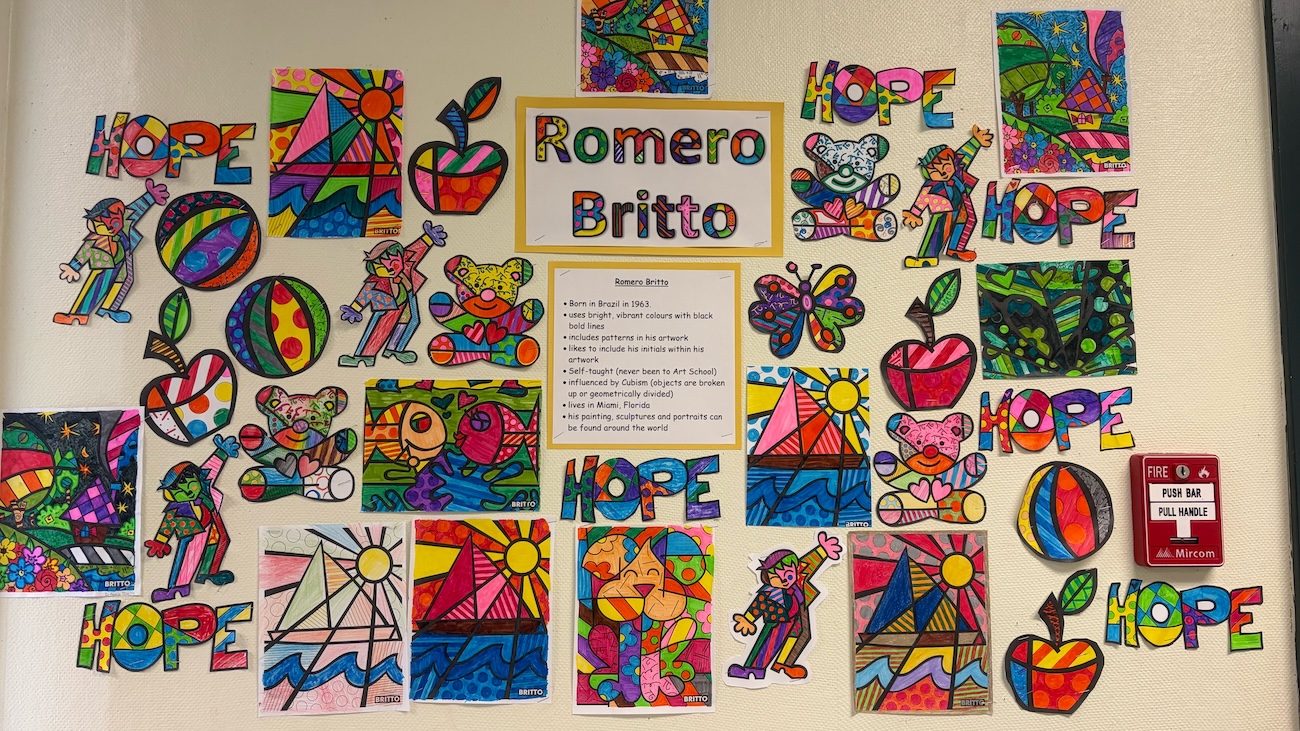
A classroom wall radiated with colour following an artist study inspired by Brazilian pop artist Romero Britto.
Through guided exploration, students learned about Britto’s background and the defining features of his work. Strong black outlines, geometric shapes and high-contrast colours became central elements for the class to observe and discuss.
With these ideas in mind, the young artists experimented with how colour and pattern interacted within a composition. As colour and decorative pattern were added section by section, hearts, apples and butterflies took shape as expressive pieces guided by thoughtful artistic choices.
Displayed together, the collection brought warmth and energy to the space. The study highlighted how examining an artist’s style deepened understanding of visual language while encouraging students to explore their own creative voice with confidence.
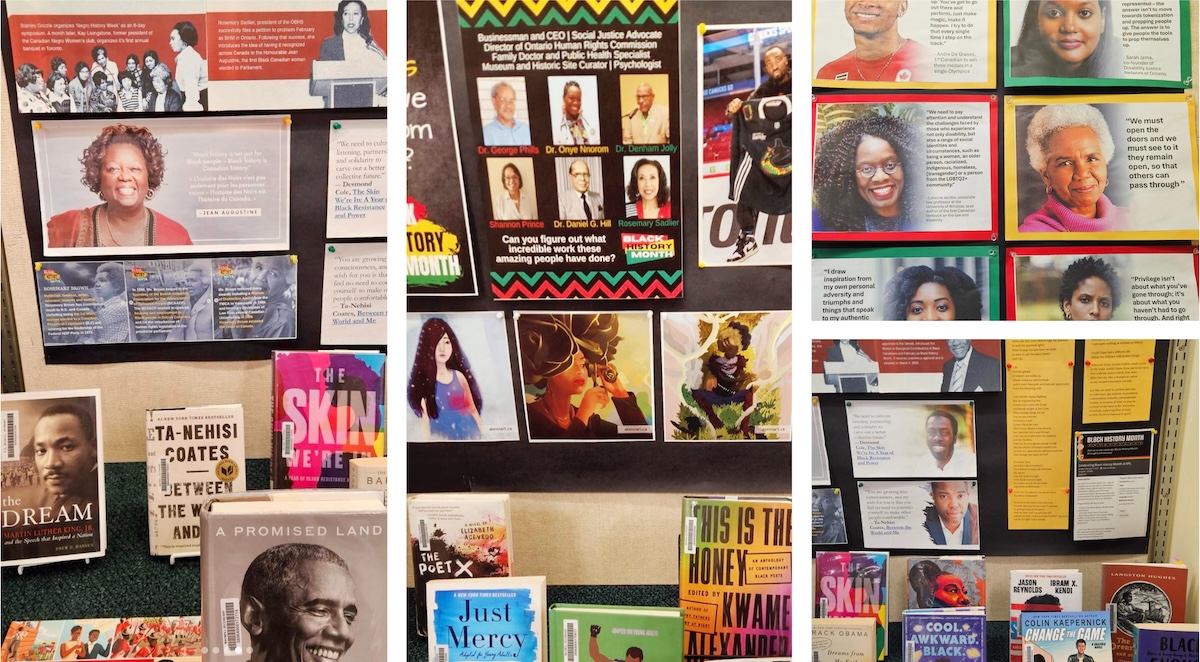
Throughout February, a Black History Month book display invited students to learn about the history, achievements and impact of Black Canadians and Black communities.
The display featured influential figures and quotations alongside guiding questions that encouraged reflection on stereotypes, identity and representation. Through fiction, memoirs, poetry and non-fiction books, learners explored personal stories and historical experiences that added depth to their understanding of Canada’s history and its diverse communities.
By making these books visible and easy to access, the display encouraged reading and discussion and prompted thoughtful consideration of different perspectives. The collection offered an opportunity for further learning about Black culture and lived experiences, reinforcing the importance of equity, respect and inclusion within the school community.
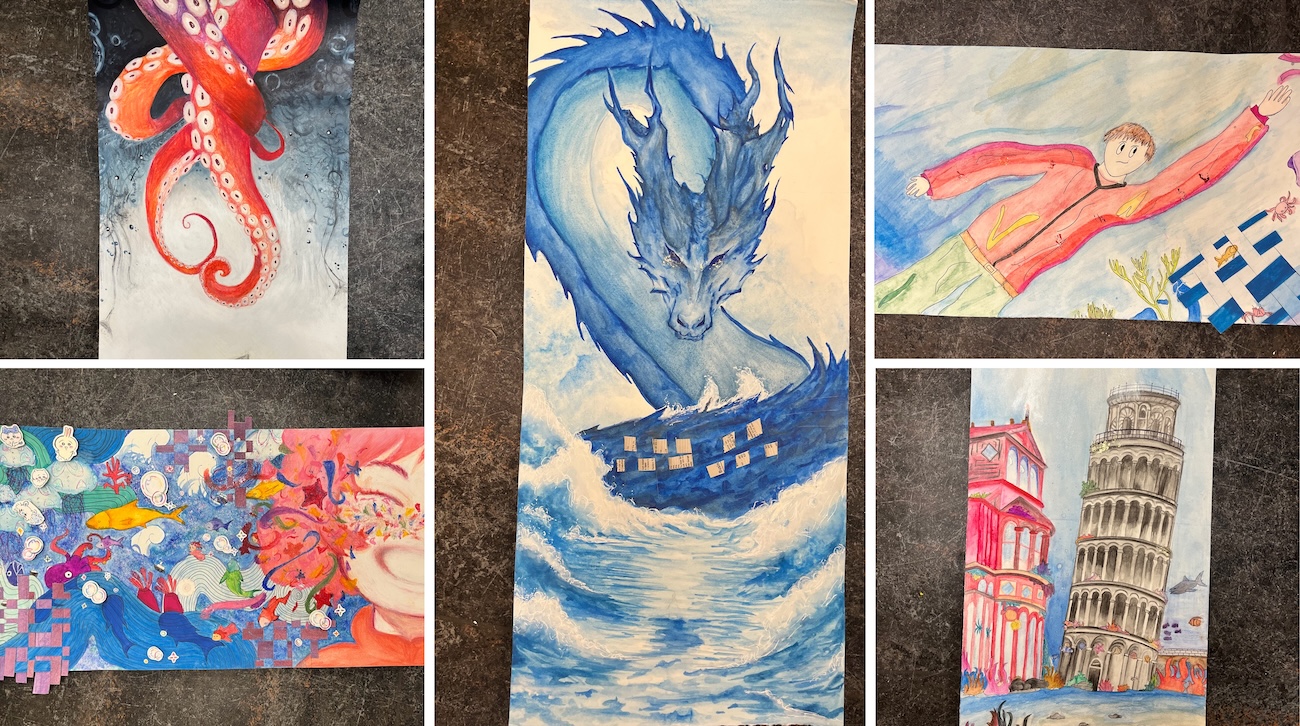
Octopus tentacles stretch across the page. A dragon rises from layered waves. Underwater cities, coral reefs and riverbeds unfold in panoramic scenes shaped by imagination and technical skill.
In this mixed media unit, students built their final water-themed compositions after practising watercolour pencil crayon techniques. Expressive mark making, activated washes, resist effects and layered blending were used to create depth, light and atmosphere.
Each piece features a clear focal point supported by additional elements that anchor the scene. Students cut and interlaced sections of their paintings with foreign papers such as old book pages and coloured sheets, introducing texture and visual complexity. Fine pen details sharpen bubbles, ripples and reflections, bringing movement to the surface.
The collection of work reflects thoughtful composition and creative risk-taking, showing how technique and concept come together in cohesive visual narratives.
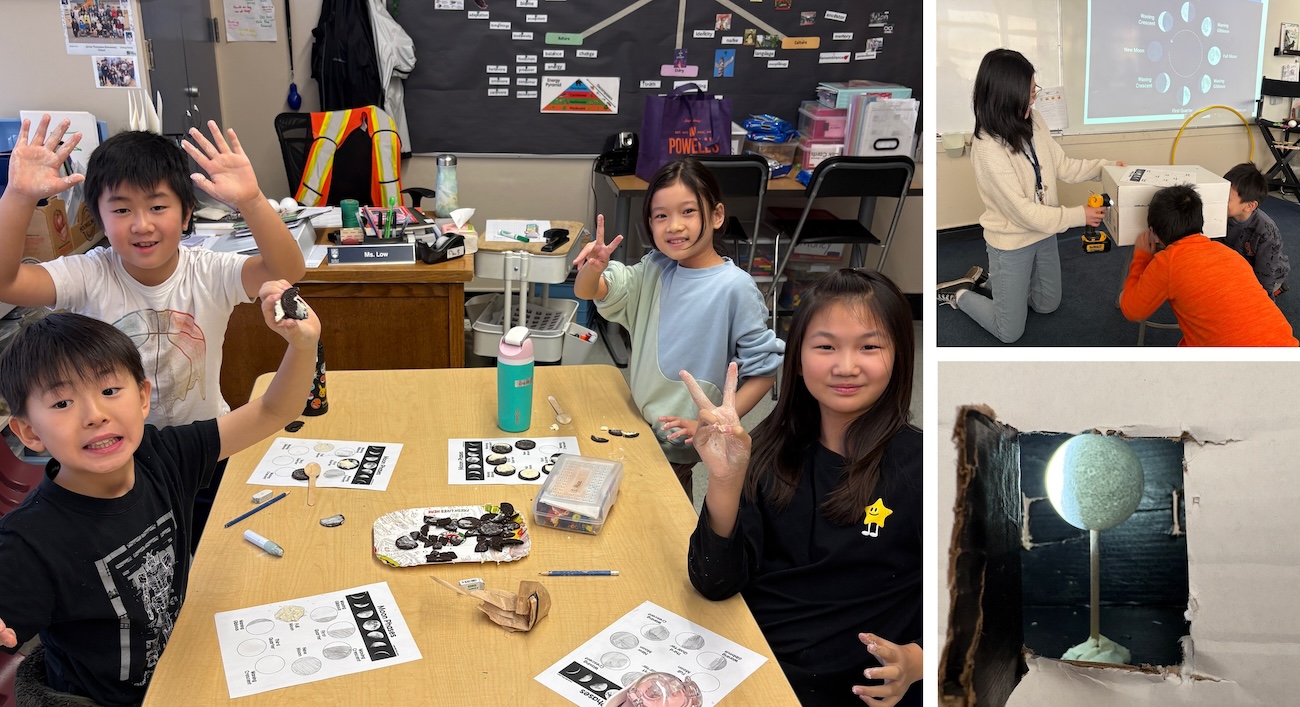
A cardboard box sat on a classroom stool, its small window revealing a glowing “moon” inside. Kneeling beside it, students leaned in closely, watching how light struck a Styrofoam sphere and changed its shape. What began with the question, “Why does the moon change shape?” grew into a month-long inquiry connecting science, math, literacy and art.
Using the handmade “moon box,” the class observed how sunlight reflected off the moon, sketching shadows and learning the names of each phase. In a standing model activity, the students took the place of the Earth, holding model moons and tracking how orbit created the phases visible from home. Oreo cookies later became edible diagrams, shaped to represent crescents, quarters and gibbous moons while reinforcing fraction concepts.
Beginning with February’s Full Snow Moon, the class kept a daily journal, recording what they noticed in the night sky and during crisp morning walks when the moon lingered overhead. The inquiry also explored the significance of the 13 Moons in Indigenous cultures and introduced moon stories from communities around the world.
It concluded with original creative writing and artwork inspired by their observations and evolving understanding, bringing together science, story and personal reflection under one shared sky.
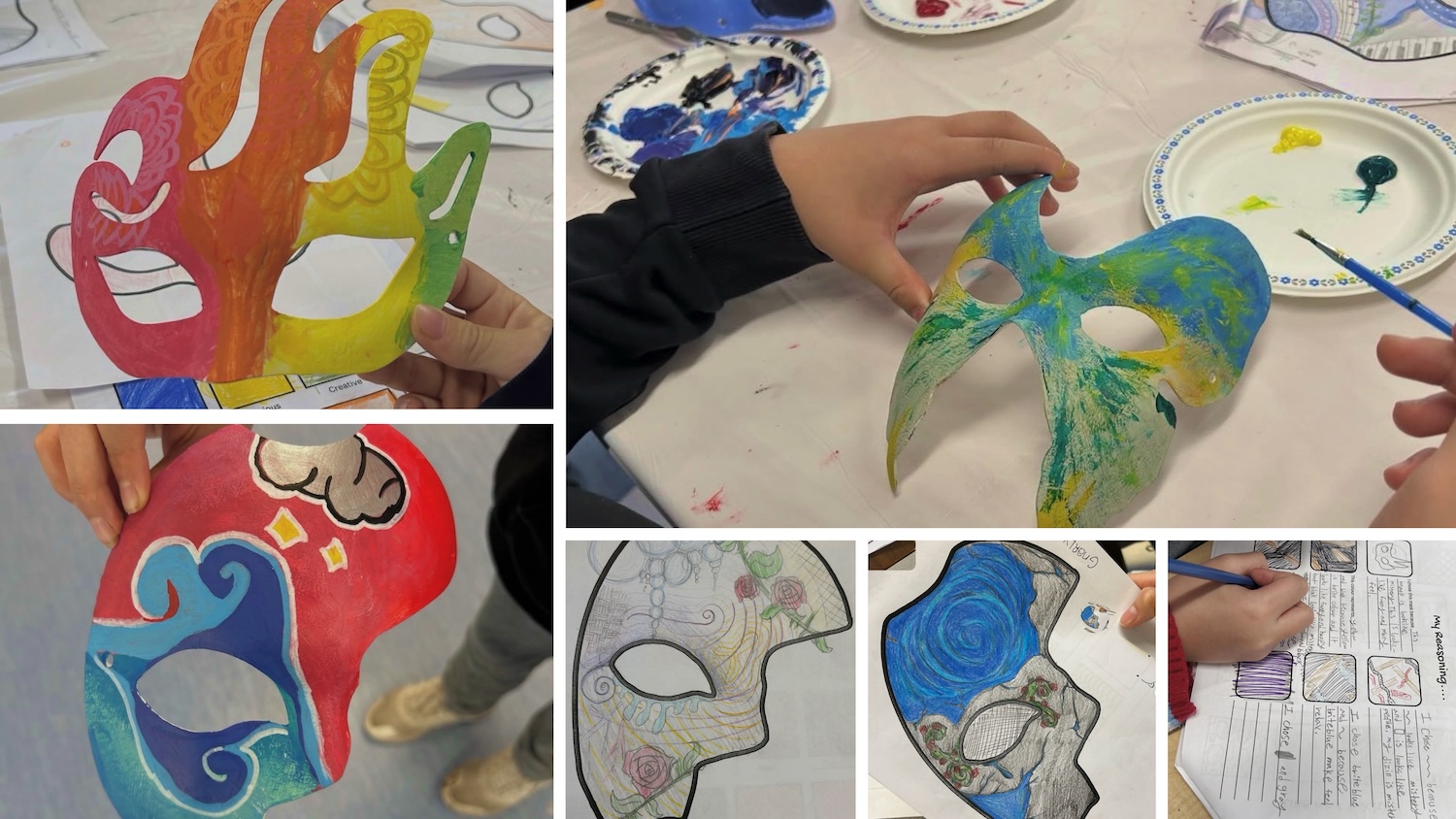
A class took part in a collaborative mask design project that brought together history, cultural study, personal reflection and visual art within a single learning experience. Working alongside a local artist, they began by examining the historical and cultural significance of masks across civilizations, grounding their work in broader context.
The focus then shifted from history to self. Students considered how colours, textures and symbols could represent emotions and personality traits they associate with themselves. Using structured planning sheets, they selected visual elements with care and recorded the reasoning behind each decision.
The resulting sketches show deliberate composition and purposeful design, each supported by written explanations that reveal the thinking beneath the surface. Moving between research, reflection and artistic interpretation, students engaged in a process that required knowledge, intention and clarity of thought to shape something deeply personal.
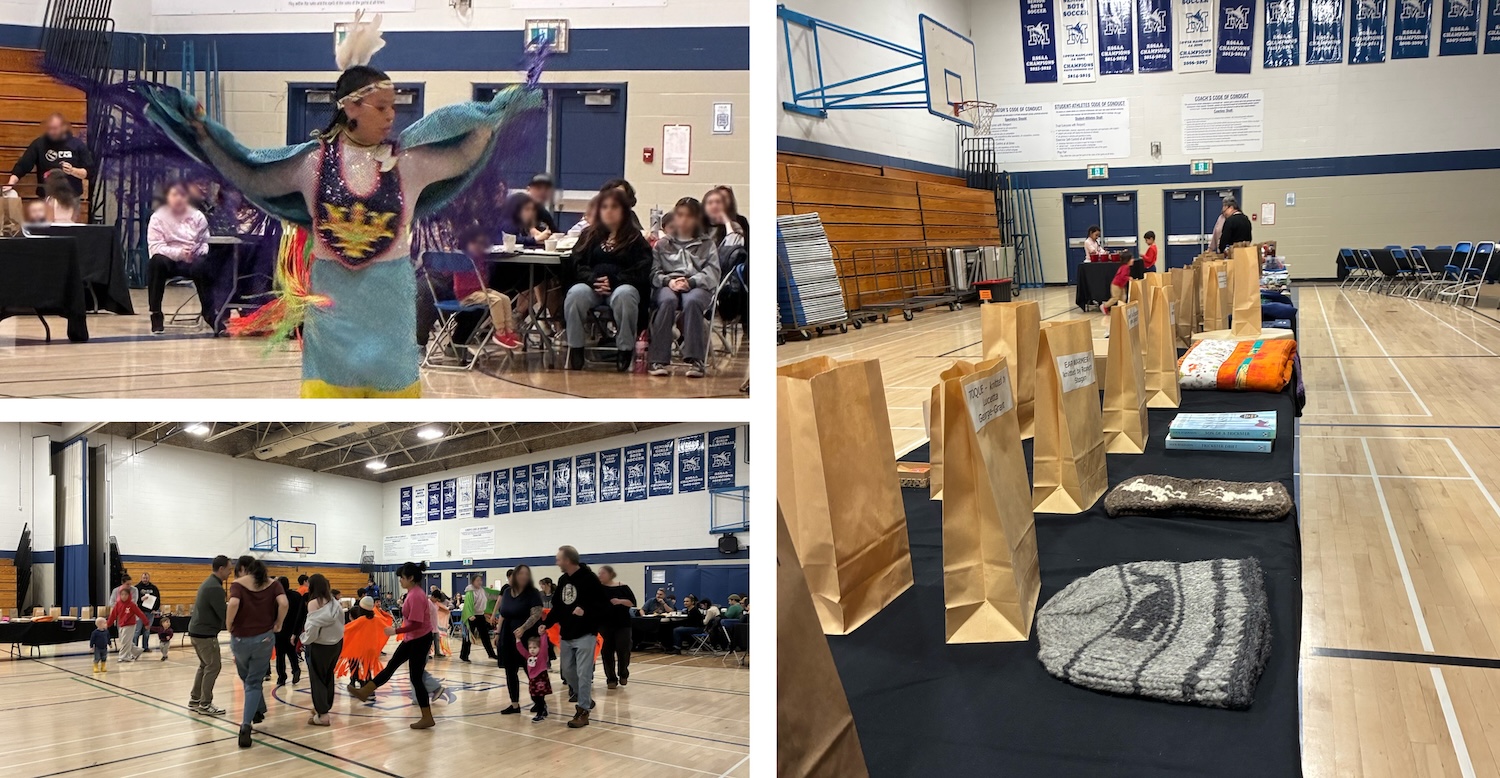
On February 25, Indigenous students and families from across the district gathered for an evening of learning and shared traditions. Bannock, chilli and other refreshments along with gift bags for guests created a warm and welcoming atmosphere as participants arrived, settled in and enjoyed performances and activities.
Two siblings, from Sq’e’wlets in Stó:lō territory and Quw’utsun in the Cowichan Valley region on Southern Vancouver Island, led an interactive hoop dance and Powwow performance. Guests joined the gym floor for friendship hoop dances, some wearing colourful shawls, laughing, moving and discovering Coast Salish traditions through rhythm, movement and storytelling.
With more than 100 attendees, the evening highlighted the district’s ongoing commitment to Indigenous education and engagement, providing opportunities to strengthen relationships with Indigenous families, support Indigenous identity and honour cultural traditions while fostering a sense of belonging for the community.