Around the district is a monthly update that includes a collection of stories from Richmond schools. These stories highlight Richmond's vibrant learning community, which fosters student engagement, creativity, and well-being in inclusive learning environments.
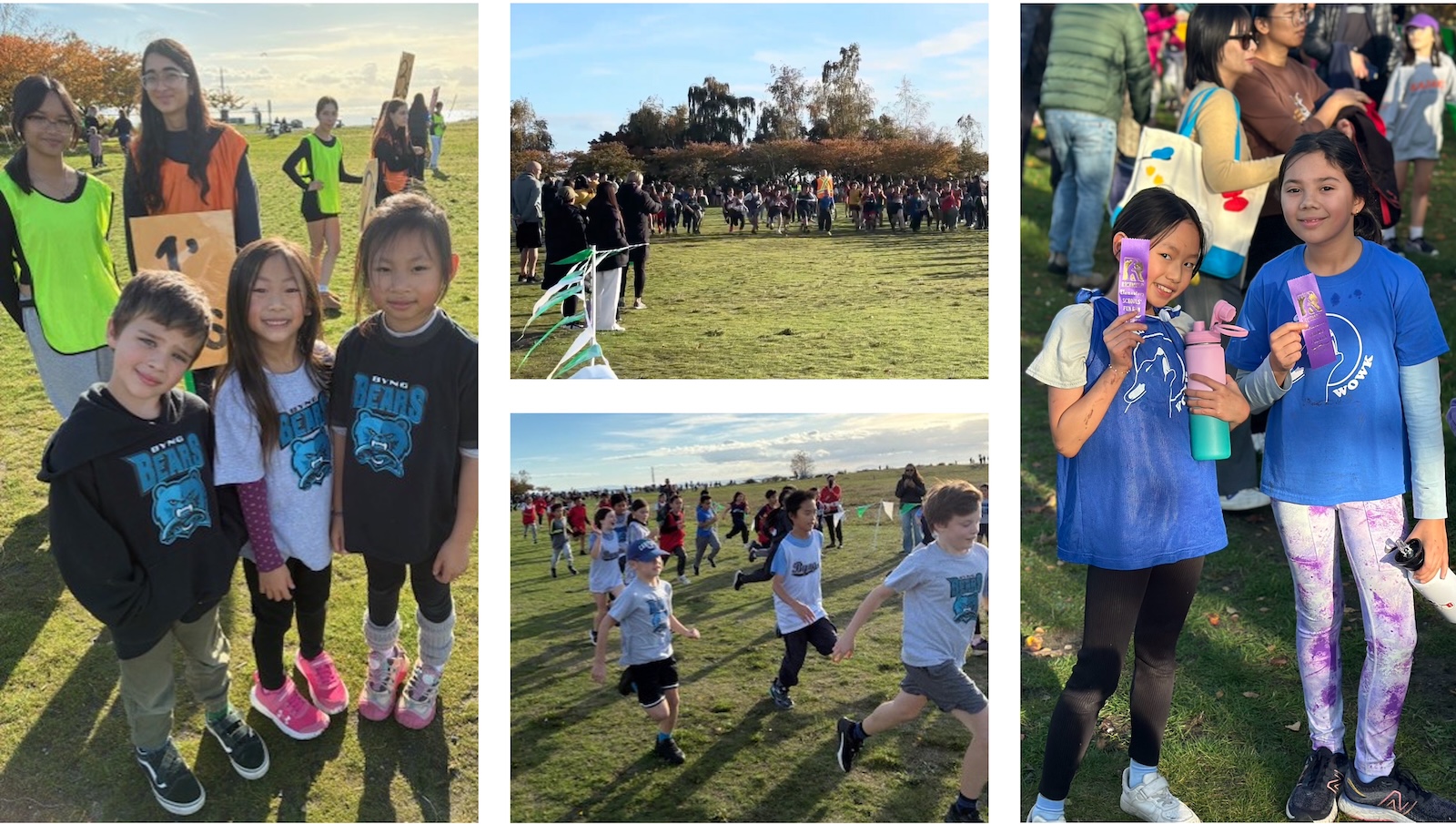
Elementary schools from across the district came together at Garry Point for the annual cross-country fun run, a yearly event that brings together fitness, perseverance and community. Participants ran distances suited to their age, with younger grades covering 900 metres and older students tackling up to 1,600 metres.
In the weeks leading up to the event, schools held lunchtime practices, and the hard work paid off under clear, sunny skies. Energy was high as runners cheered one another on, showing athleticism and sportsmanship at every turn. Parents and district staff came to support and encourage the kids, making the afternoon a true team effort. Every runner crossed the finish line with pride and received a ribbon to mark their achievement.
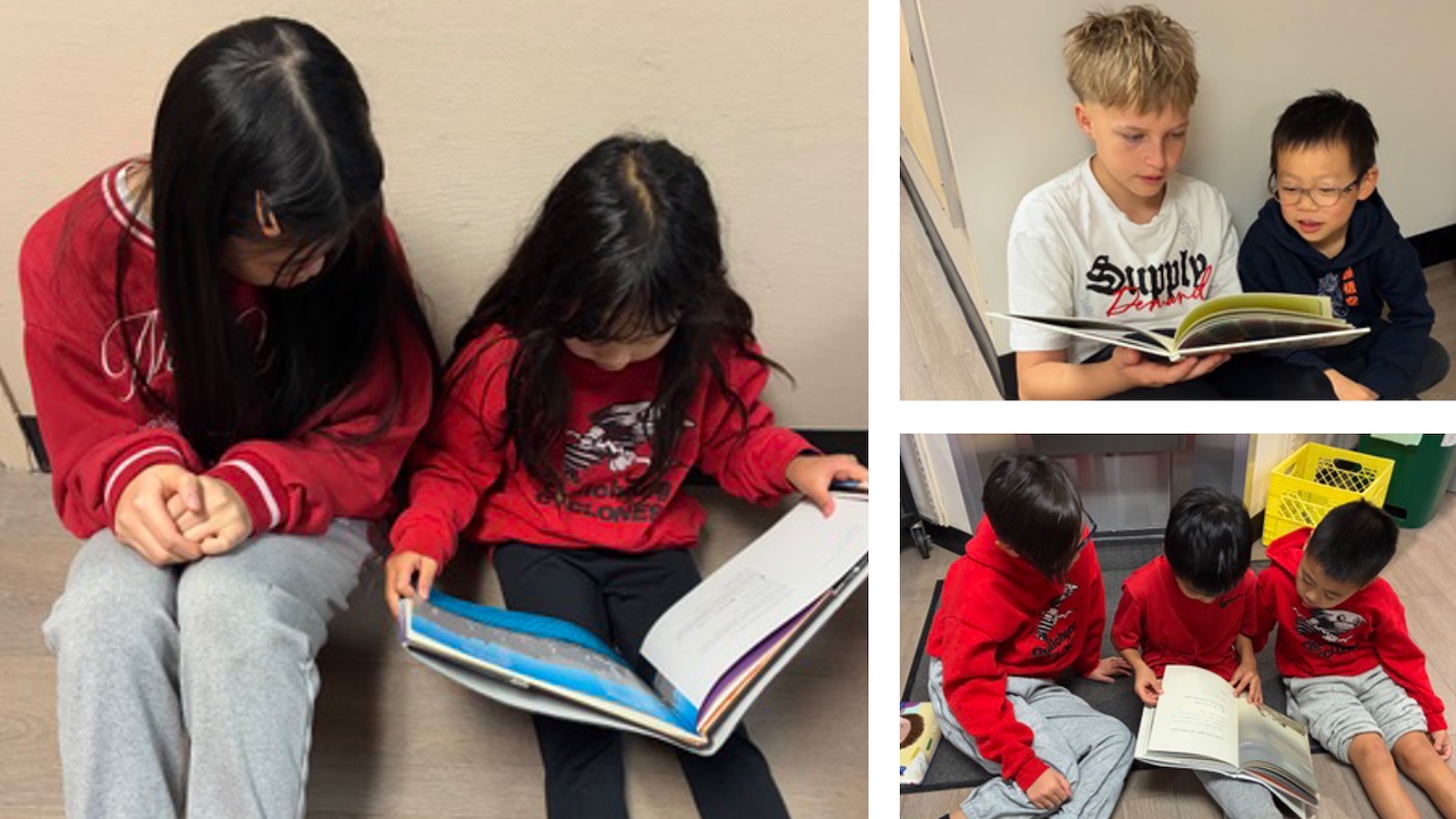
On November 5, an elementary school took part in I Read Canadian Day, an initiative that shines a spotlight on Canadian authors and stories. Leading up to the event, their library featured Canadian books, which prompted conversations about what it means to “read Canadian.”
When the big day arrived, students dressed in red and white, collected their books and gathered in the hallways for a school-wide read. Big buddies paired with little buddies, sharing stories and swapping books. Every title highlighted Canadian voices, giving students a chance to discover new favourites. The biggest reaction was, “I didn’t know _______ was Canadian!”
The event promoted literacy and cultural pride. But more than anything, it was one more step in connecting kids of all ages with each other.
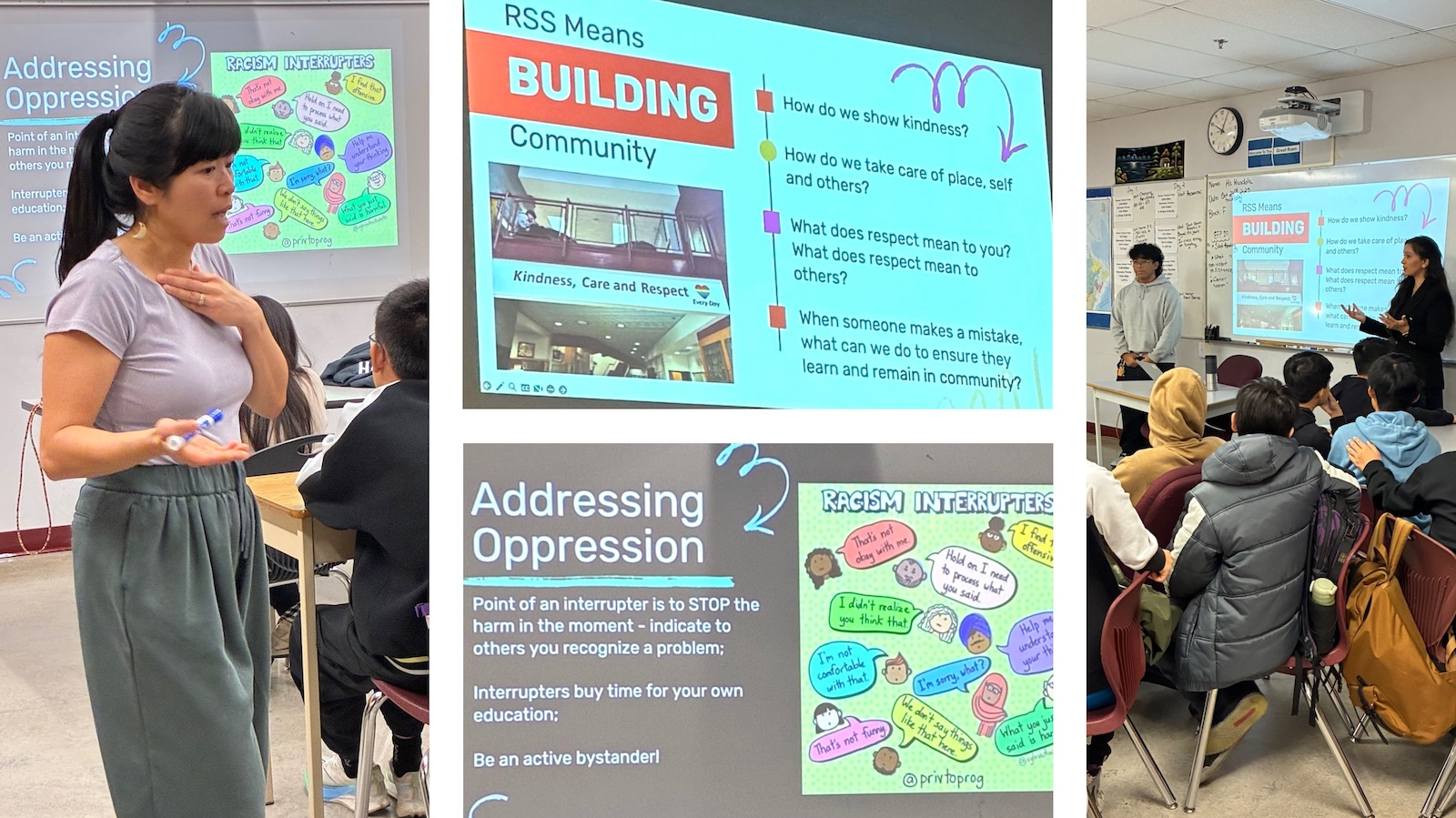
Grade 8 students recently took part in a learning activity about how language shapes community. Through discussion and reflection, they explored how effective communication can positively shape how people feel and experience school.
The sessions promptied students to think critically about how certain comments and stereotypes show up in everyday interactions. They also practiced strategies for responding when they witness concerning behaviour and how to support peers in constructive and meaningful ways. To deepen their learning, students reflected on their own role in creating a respectful school environment.
This initiative reflects the school’s commitment to welcoming new students into a safe and caring environment. It is also helping students build their communication skills and develop the confidence to contribute to a positive school community.
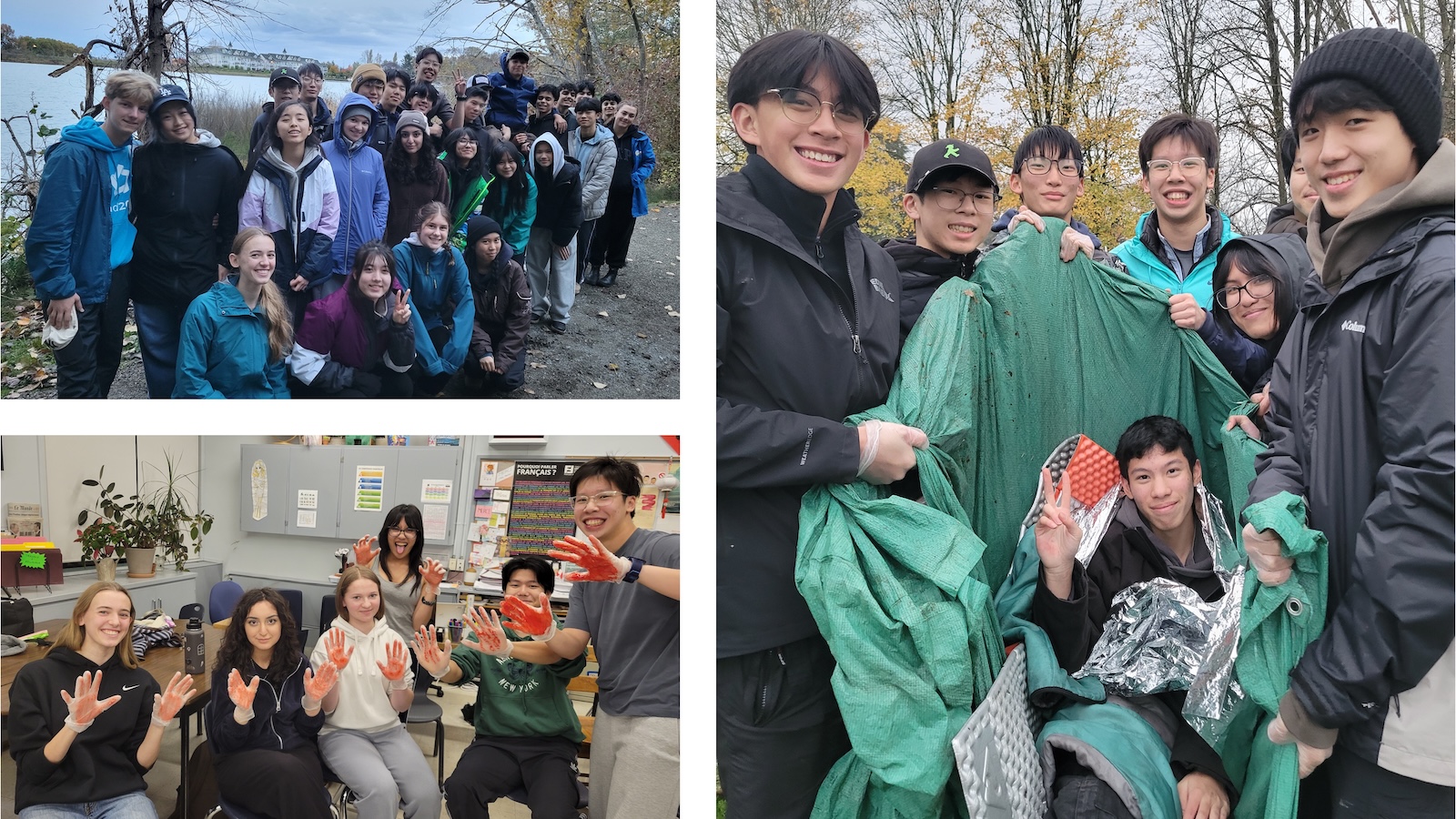
An overnight camping trip to Deas Island gave outdoor education students a chance to put new skills into practice while building confidence in nature.
From pitching tents to knot tying and fire-starting, they worked together and learned to adapt when challenges arose. When one tent began to leak, quick thinking and teamwork kept everyone comfortable for the night. The evening was filled with laughter, board games and a lively round of Werewolf. Some even enjoyed fish that one camper brought to grill and share. Many of them particularly liked practicing their fire-building skills, so much that they woke up extra early the next day to ensure a campfire for the morning.
This experience gave students more than practical skills; it created lasting memories and a genuine enjoyment of the outdoors. It also sparked confidence and curiosity, encouraging them to keep exploring, try new activities, and carry forward a love for nature and adventure.
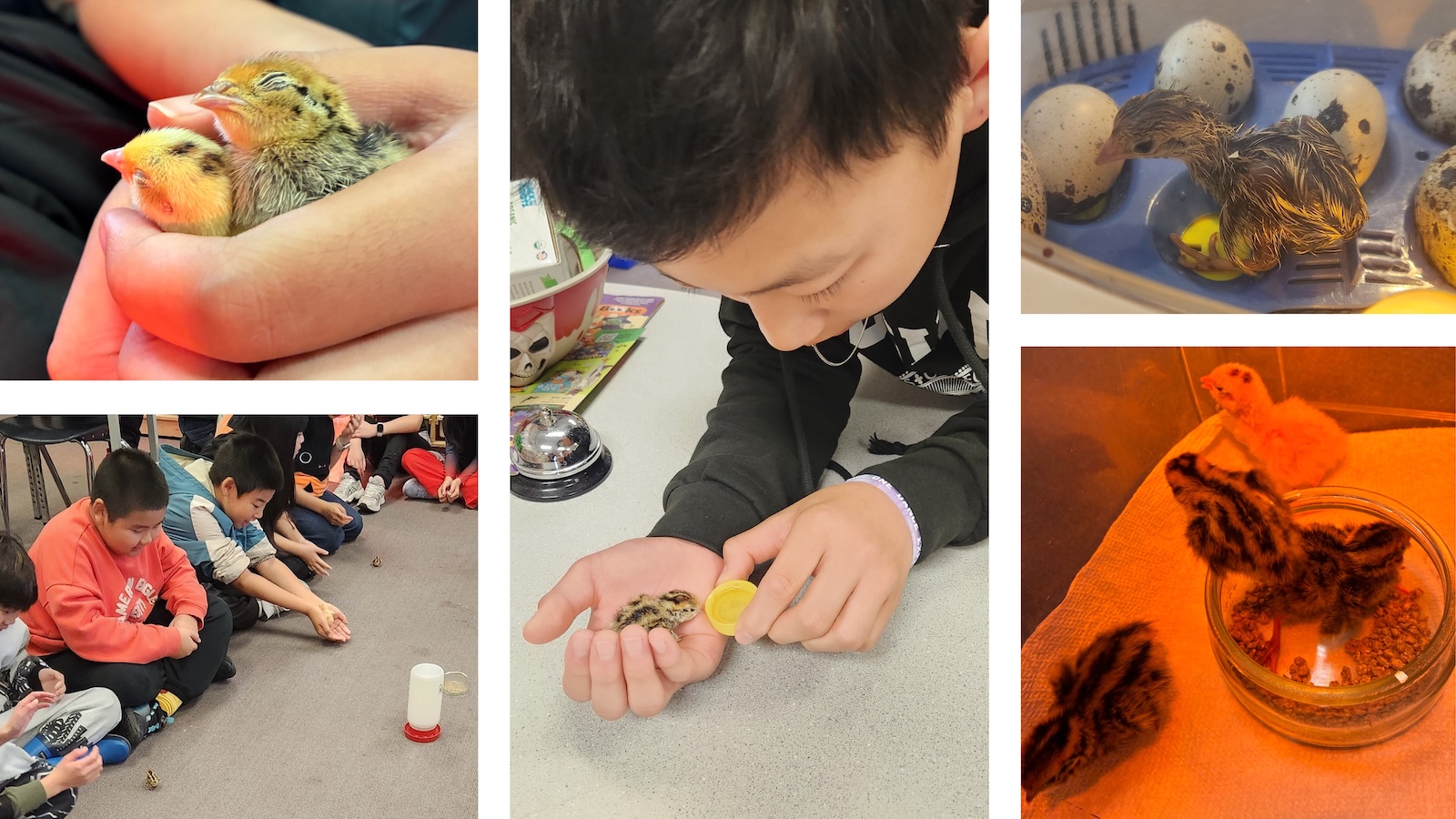
One class explored how physical environments shape animal behaviour through a hands-on quail-hatching program. Over several weeks, they observed the life cycle, from eggs in the incubator to newly hatched quails, while learning about farming, sustainability and the care animals need to thrive.
As the quails grew, students monitored changes in feathers and colouring, supported weaker hatchlings, and even took turns bringing the birds home after school to ensure their needs were met. These moments of care and observation naturally led to deeper conversations about what it means to be responsible for living things.
By the end of the project, students had gained more than knowledge about quails; they developed empathy, patience and a sense of responsibility that will stay with them far beyond the classroom.
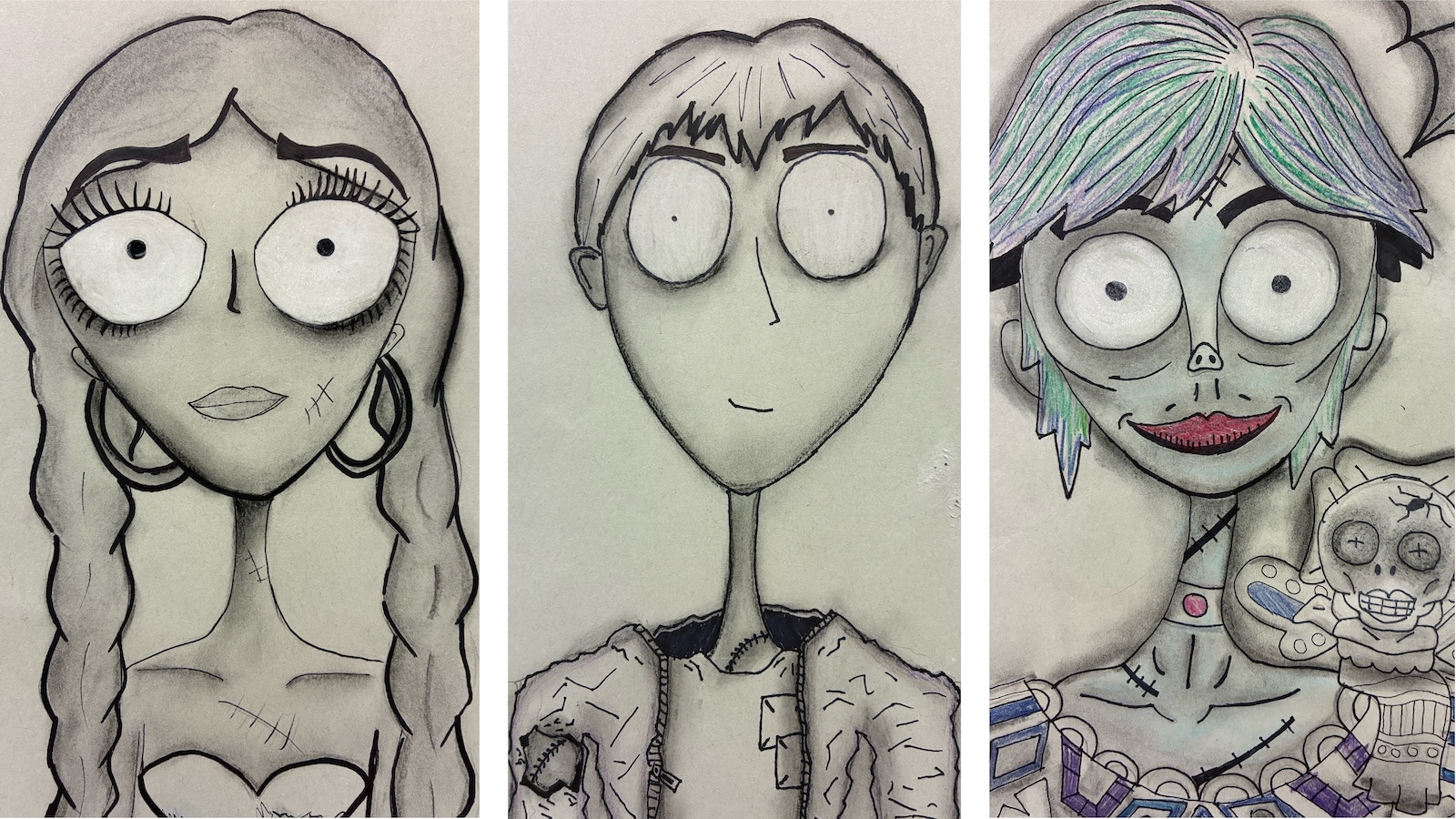
Students pushed their creative boundaries by drawing self-portraits that leapt off the page. Inspired by Tim Burton’s whimsical, slightly gothic world, each portrait bursted with bold lines, expressive faces and inventive details.
Across multiple lessons, students explored Burton’s signature style: exaggerated proportions, dramatic expressions and striking visual contrasts. Step-by-step demonstrations taught them to place facial features with purpose, scale features to show personality, and vary line thickness for impact. They experimented with charcoal shading and hatching, layering depth and texture that made each portrait feel alive.
The process challenged them to observe closely, experiment boldly and take creative risks. By mixing imagination with technique, they learned how every artistic choice, from a dramatic line to a shadowed cheek, can tell a story and convey emotion.
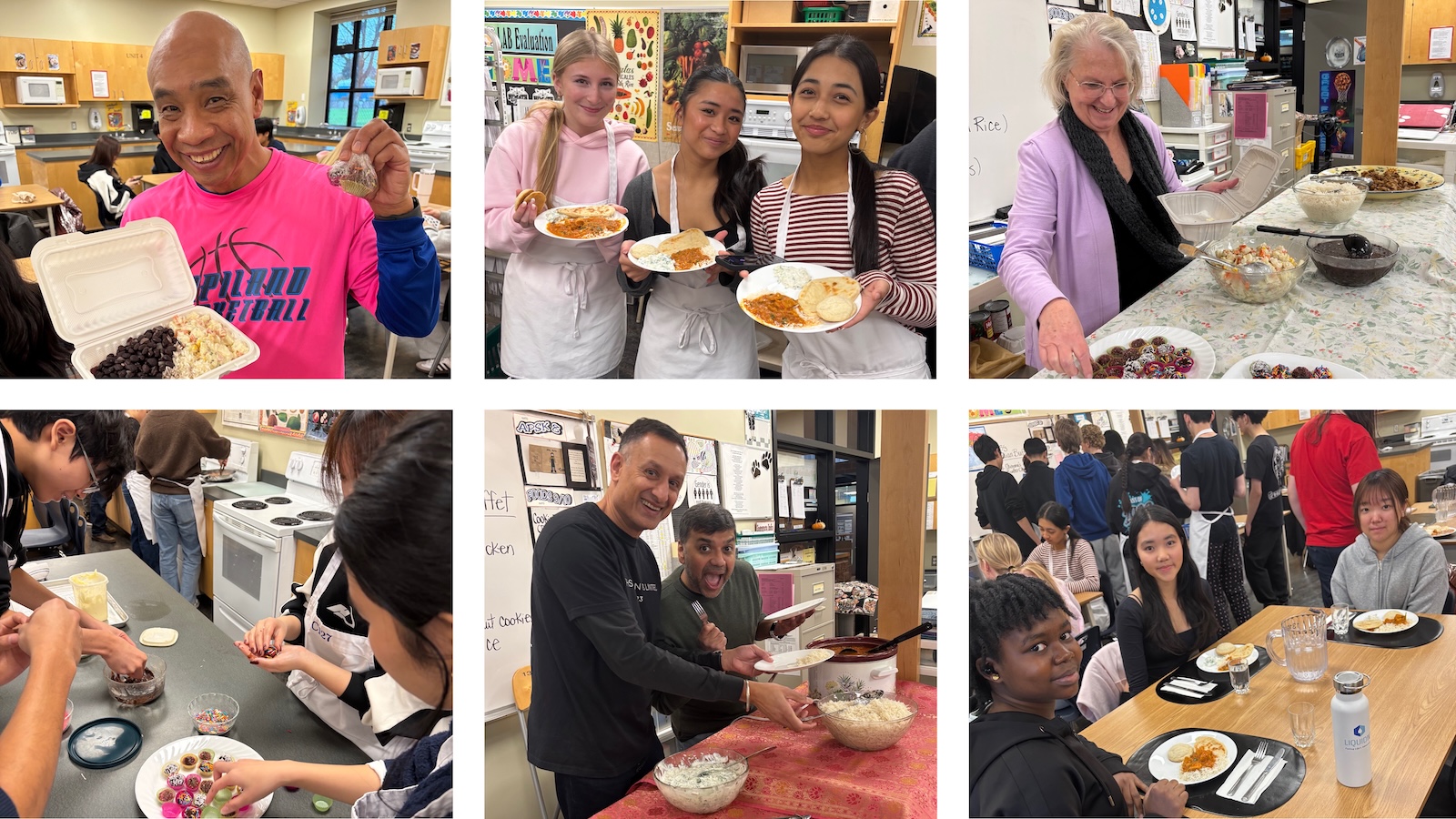
A senior food class embarked on a global culinary journey through a multicultural food project. Working in pairs, students researched a country, selected a recipe, and presented a cooking demonstration before sharing their dishes buffet-style. Their most recent stop was Brazil, where groups prepared peri-peri chicken, feijoada (black beans and rice), Brazilian potato salad and brigadeiro fudge balls.
The two-day lab blended culinary skills with cultural learning, as each group submitted a written report and answered questions about their chosen country. Collaboration was key as groups experimented with unfamiliar tools and ingredients to complete complex recipes.
In the end, sharing meals together strengthened connections, and staff joined in to sample the dishes. Next, the class will explore Italian, Japanese and First Nations cuisines to continue this flavourful learning journey.
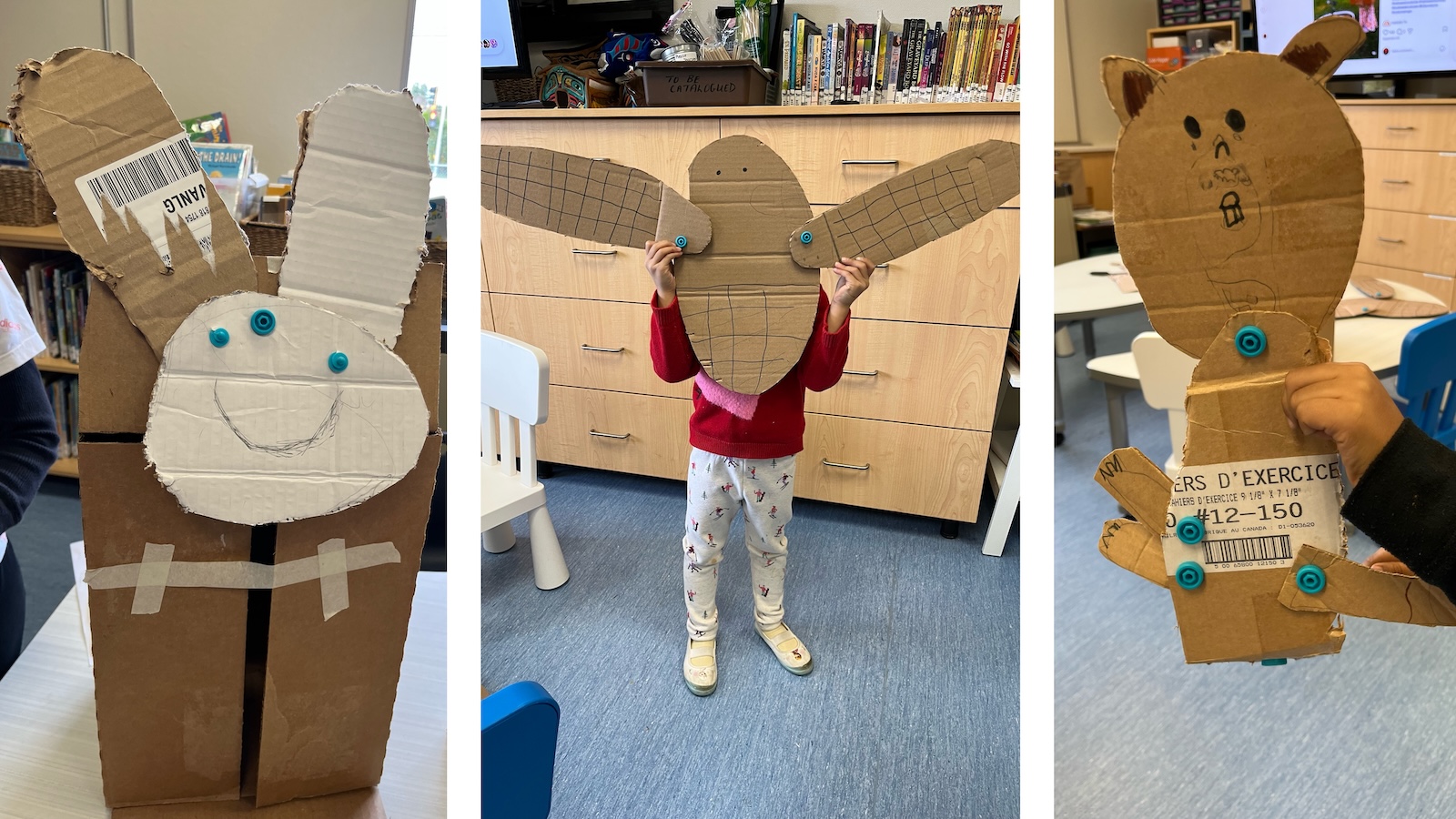
Cardboard, creativity and collaboration came together as students worked on a MakeDo project to design animals found in our province and bring them to life with motion. Over several class sessions, they brainstormed ideas, agreed on design directions, sketched plans, and began building with recycled cardboard and MakeDo kits.
As the work progressed, they discovered that their original plans often needed adjustment. For example, one team began with a 2D layout for their bunny but soon realized that a 3D approach helped their idea come together more smoothly. Across the room, each group reflected on their designs, made adjustments and saw their creations take shape.
From recycled materials to imaginative creatures with moving parts, the project strengthened students’ MakeDo skills and encouraged collaboration, adaptability and creative problem-solving. It also showed them that building something meaningful requires thoughtful planning, revisiting ideas, experimenting and working together.